🖨 3D Printer Radar
Updated: March 21, 2026How we rate →

This printer has been replaced. The Qidi Tech Q1 Pro is no longer sold new. The current model is the Qidi Tech Q2

EntryFDMqidiCoreXY

Qidi Tech Q1 Pro

📐 245×245×240 mm600 mm/s🏠 Enclosed
Last model:Q1 Pro

Buy now or wait?

🗓 Released Mar 20, 2024
🔁

Cycle Advice

Superseded

This printer is no longer sold new. It has been replaced by the Qidi Tech Q2

💰

Deals Advice

Clearance

No longer sold new — clearance and second-hand prices are at their lowest. The current replacement is the Qidi Tech Q2

📊Printer Specs

TypeFDM
TierEntry
MotionCoreXY
Build Volume245 × 245 × 240 mm
Max Speed600 mm/s
Multicolor❌ No
Enclosure✅ Yes
Auto Calibration✅ Yes
Open Source❌ No

Supported Materials

PLAPETGABSASATPUPAPA-CFPC

💡About the Qidi Tech Q1 Pro

The Qidi Tech Q1 Pro, released March 2024, was the first consumer 3D printer to offer active chamber heating at under $600 — a feature previously reserved for professional machines. At launch it significantly undercut comparable enclosed printers. It has since been superseded by the Q2, which offers a larger build volume, improved chamber performance, and Qidi Box multicolor compatibility.
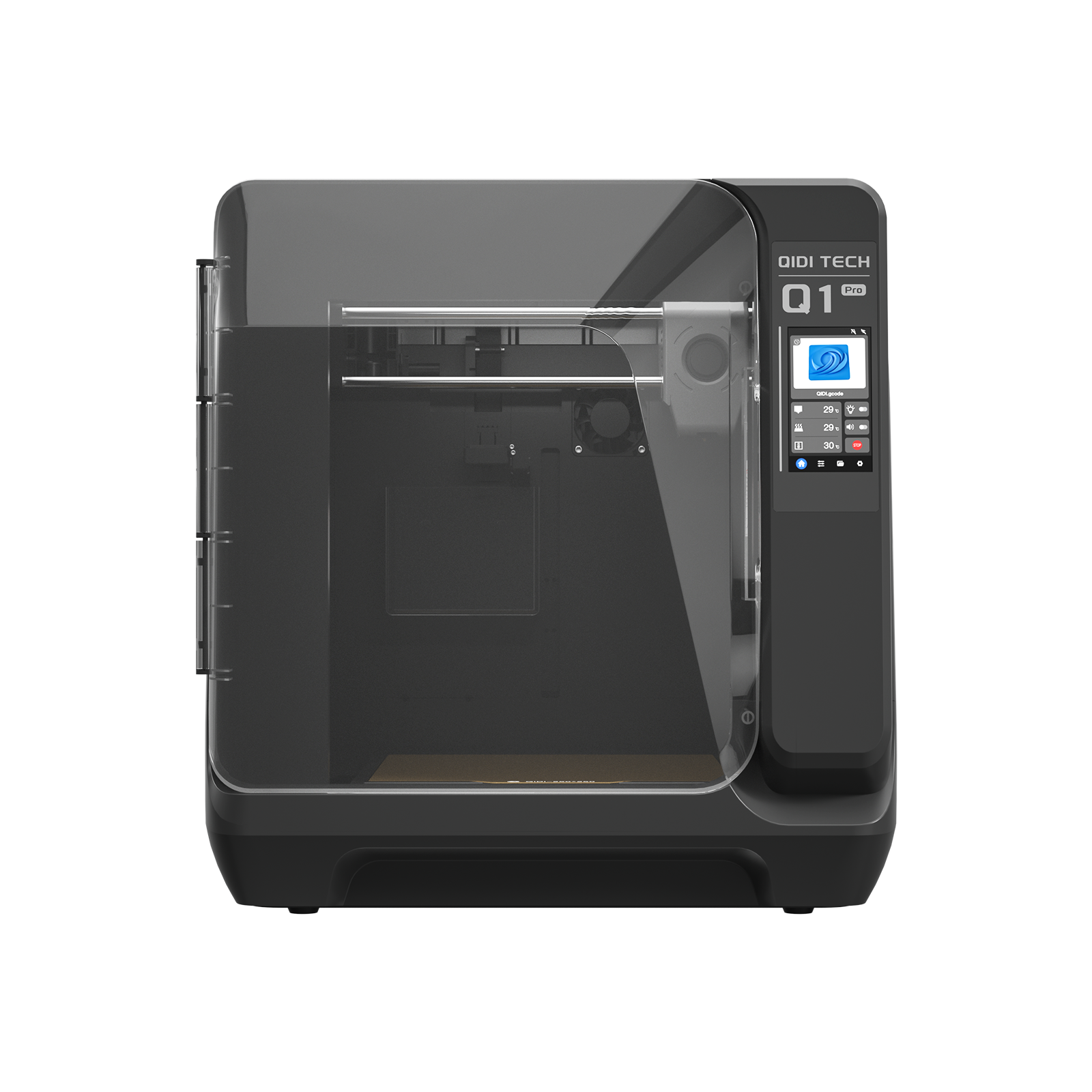
  • Active 60°C chamber heating

    The Q1 Pro's heated chamber was groundbreaking at its price point. ABS, ASA, and PA prints come out without warping that plagues open-frame printers.

  • 600 mm/s CoreXY speed

    Same speed class as Bambu Lab printers at a fraction of the price for enclosed printing.

🎯Who is this for?

Budget-conscious makers who need active chamber heating for ABS, ASA, and PA printing. Look for clearance deals — the Q2 is the better long-term buy if available.

FAQs

Should I buy a Q1 Pro or the Q2?

The Q2 is the better purchase — it offers a larger build volume (270×270 vs 245×245 mm), improved 65°C chamber performance, and Qidi Box multicolor compatibility. If you find a Q1 Pro at a significant clearance discount and the Q2 is out of stock, the Q1 Pro remains an excellent printer for engineering filaments.

What makes active chamber heating different from a passive enclosure?

A passive enclosure (like those on many consumer printers) traps heat generated by the print itself. Active chamber heating actively warms the air inside the chamber to a target temperature — typically 60–65°C on Qidi printers. This produces more consistent results for warping-prone materials like ABS, ASA, and PA, especially for large or long prints.

👀Alternatives & Comparisons