🖨 3D Printer Radar
Updated: March 21, 2026How we rate →

Prusa Mini 2Expected 2026. The Prusa Mini+ is significantly overdue for a refresh. A Mini 2 with CoreXY motion and higher speed is anticipated, though Prusa has not made any announcement.

Prusa Research Mini+
EntryFDMprusaBedSlinger

Prusa Research Mini+

📐 180×180×180 mm200 mm/s🔓 Open Source

Buy now or wait?

🗓 Released Apr 25, 2021
72 days until Prusa Mini 2(1791 of 1863 days through current cycle)
🔁

Cycle Advice

Wait

Prusa Mini 2 is on the way. We recommend waiting unless you need a printer right now.

📅 Add launch to calendar
💰

Deals Advice

good

Prusa Research does not participate in seasonal sales — the price you see is the price you pay. Why? →

📡On the Radar: Prusa Mini 2

Expected 2026

The Prusa Mini+ is significantly overdue for a refresh. A Mini 2 with CoreXY motion and higher speed is anticipated, though Prusa has not made any announcement.

Confidence: cycle based
📅 Add to calendar

📊Printer Specs

TypeFDM
TierEntry
MotionBedSlinger
Build Volume180 × 180 × 180 mm
Max Speed200 mm/s
Multicolor❌ No
Enclosure❌ No
Auto Calibration✅ Yes
Open Source✅ Yes

Supported Materials

PLAPETGASATPU

🗂Models at a Glance

Model/ConfigBuild VolumeSpeedMulticolorBest For
Mini+ (kit)180×180×180 mm200 mm/sNoBudget open-source entry printing.
Mini+ (assembled)180×180×180 mm200 mm/sNoReady-to-print compact Prusa.

💡About the Prusa Research Mini+

The Prusa Mini+ is a compact, affordable open-source printer launched in 2021. Despite its age, it remains well-supported with regular firmware updates and a deep community. At 180×180×180 mm and 200 mm/s, it is slower than newer competitors but extremely reliable and completely open source.
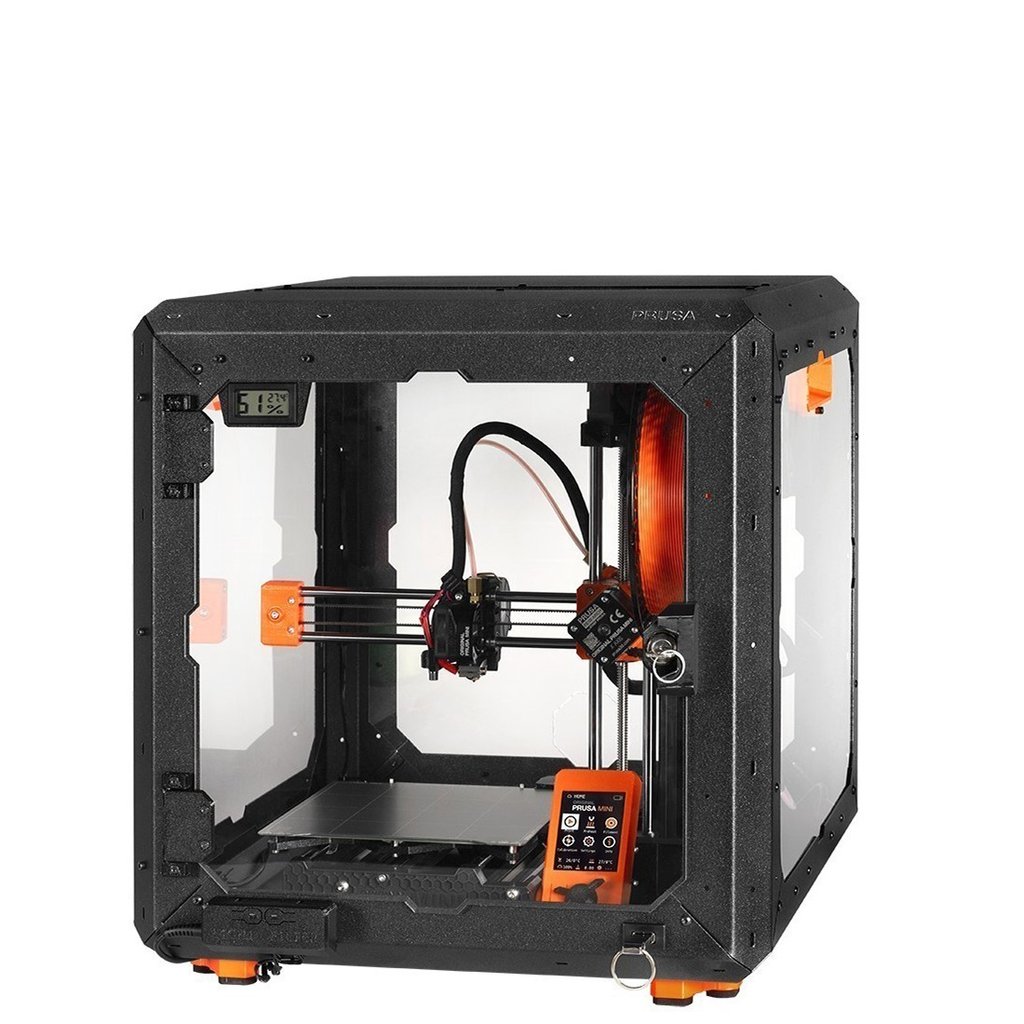
  • Proven reliability over 5+ years

    The Mini+ has been on the market since 2021 and has proven its durability with thousands of community print-hours logged.

  • Fully open source and repairable

    Prusa stocks replacement parts for all Mini+ components. Community guides cover every repair scenario.

  • Affordable Prusa entry point

    The lowest-cost way to enter the Prusa ecosystem with a fully supported printer.

🎯Who is this for?

Beginners who prioritize open-source hardware, community support, and long-term reliability over speed — and don't mind a slower, more deliberate printing experience.

FAQs

Is the Prusa Mini+ still worth buying in 2026?

With caution. It is significantly overdue for a refresh and slower than modern competitors. If you want an open-source Prusa, the MK4S or Core One offer far better performance. The Mini+ remains a solid printer, but we'd recommend waiting to see if a Mini 2 is announced.

Prusa Mini+ vs Bambu A1 Mini 2 — which is better for a beginner?

The Bambu A1 Mini 2 is faster, easier to set up, and supports multicolor printing. The Prusa Mini+ is fully open source with stronger community repairability. For the easiest beginner experience, Bambu. For open source principles, Prusa.

Is the Prusa Mini+'s 180×180×180 mm build volume enough?

For many use cases, yes — it is identical to the Bambu A1 Mini's build volume and covers most hobby printing. You can print figurines, functional parts, phone stands, small enclosures, and most everyday objects. Where it falls short is large prints: anything wider than 180 mm must be split and assembled. If you regularly print large objects, the MK4S (250×210×220 mm) or any of the larger printers is a better fit.

Will Prusa offer an upgrade kit when the Mini 2 comes out?

Prusa has a strong tradition of offering upgrade kits between generations — the MK4S is upgradeable from the MK4 and MK3.5, for example. While no Mini 2 has been announced, it would be consistent with Prusa's history to offer a kit. If you already own a Mini+, this is a realistic reason to hold off on replacing it entirely.

👀Alternatives & Comparisons